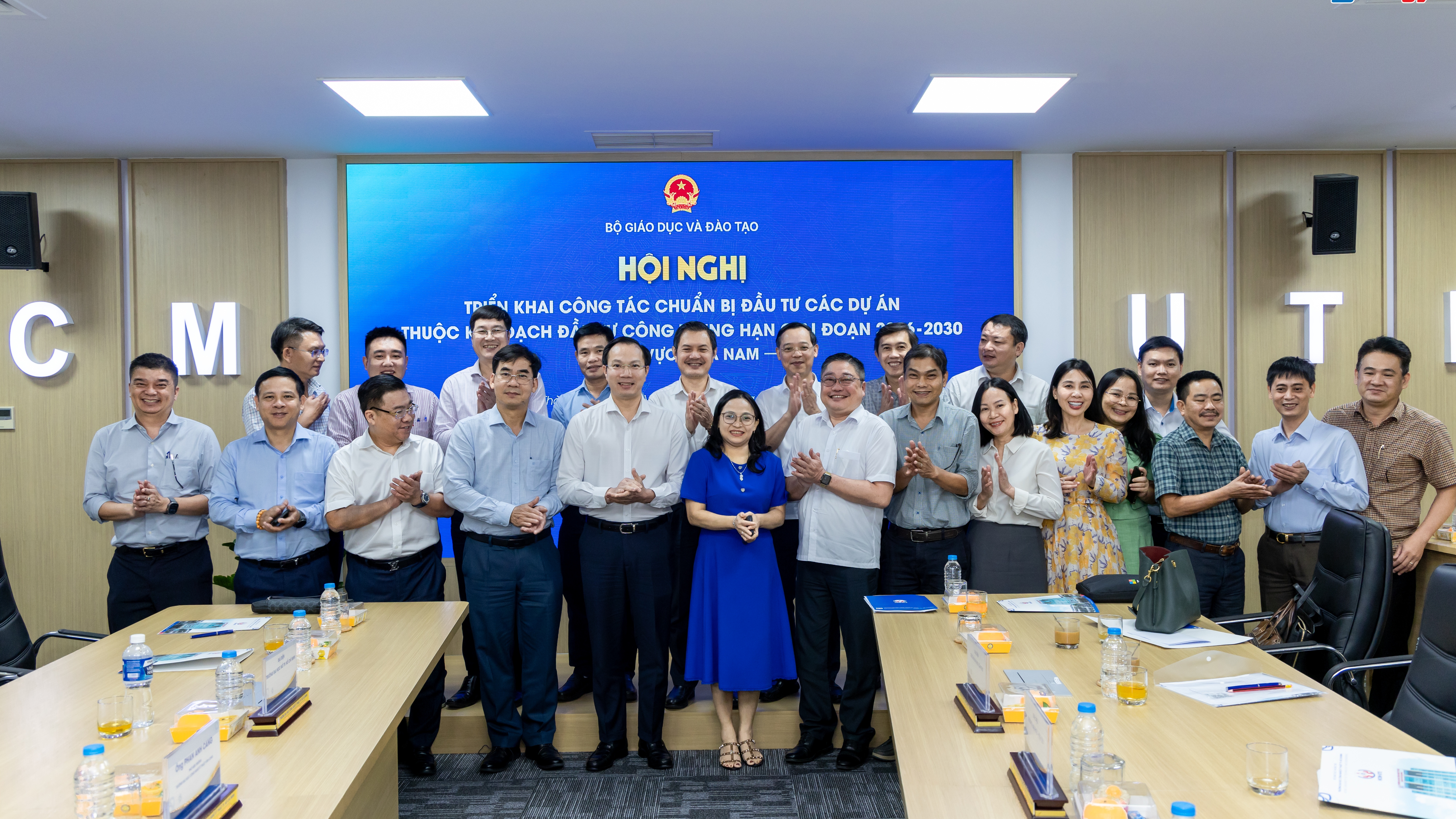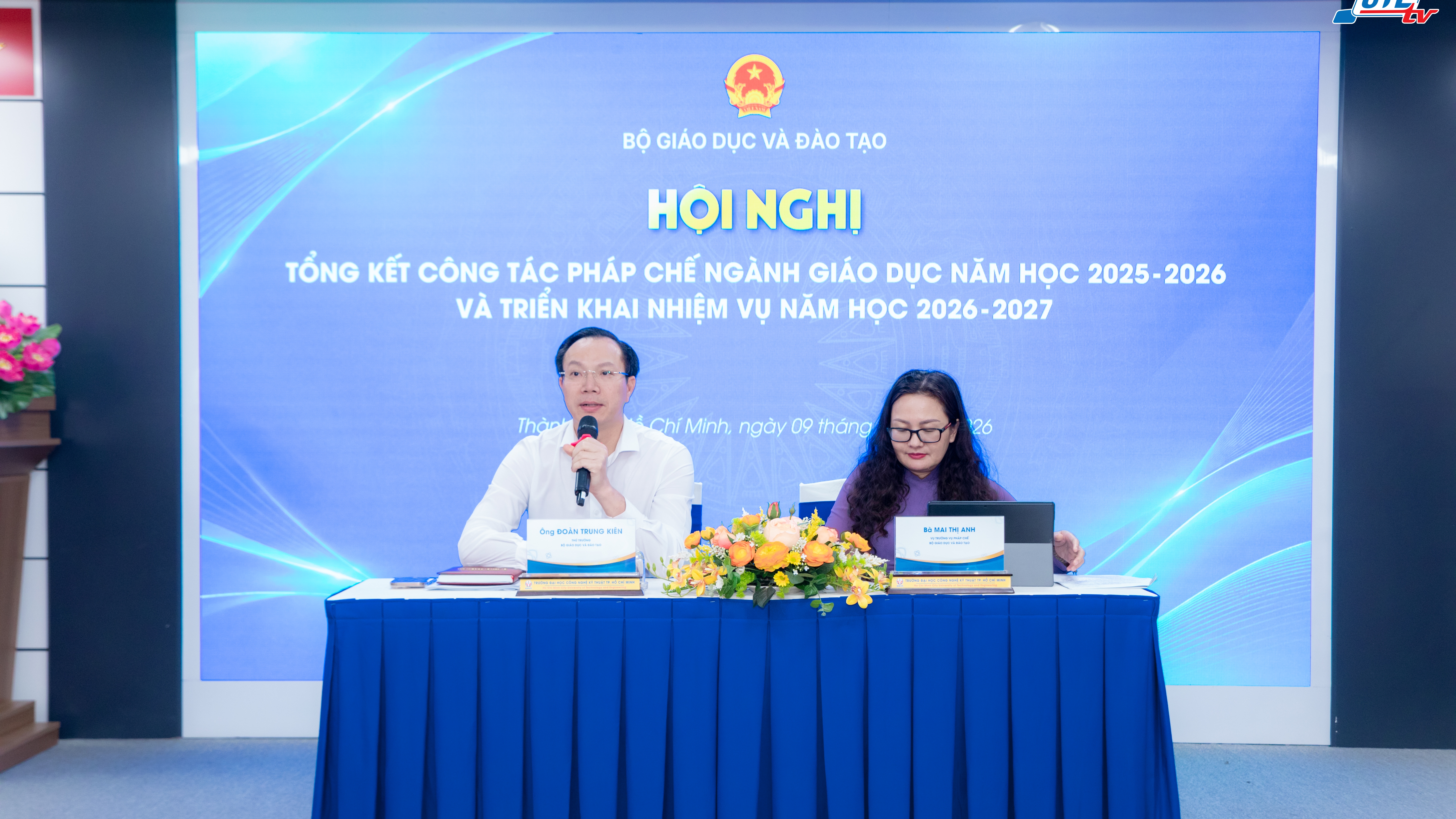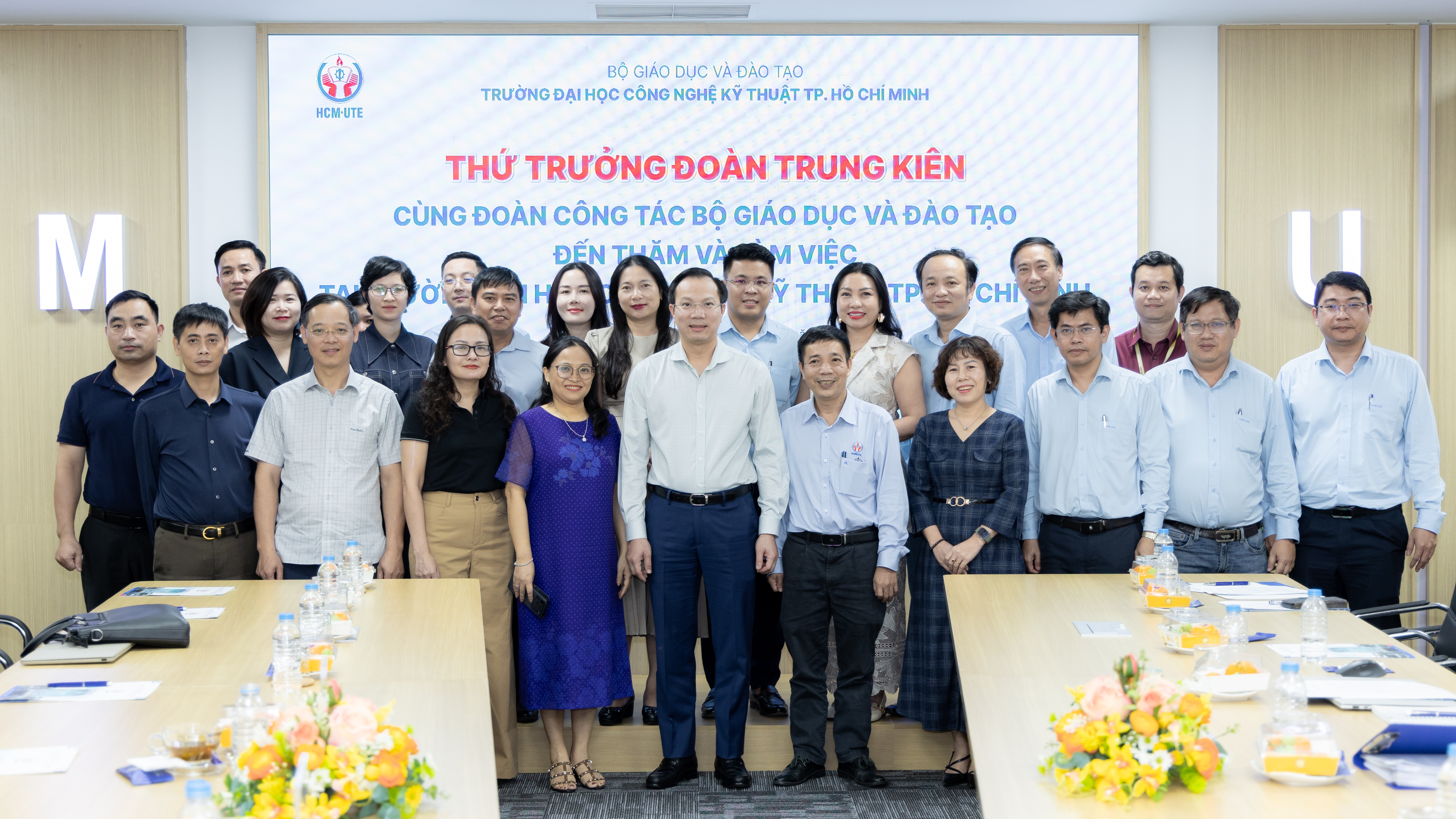

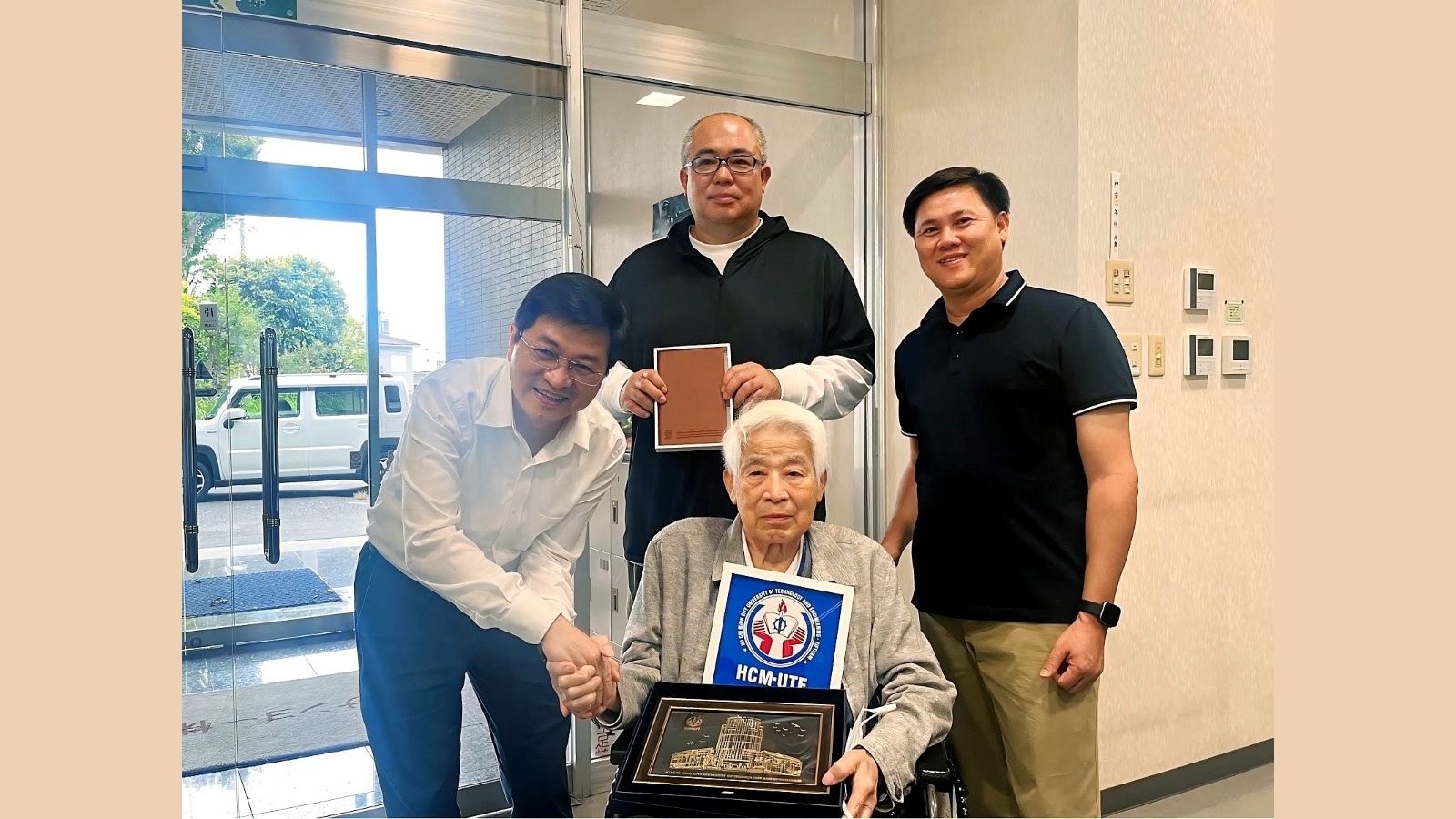
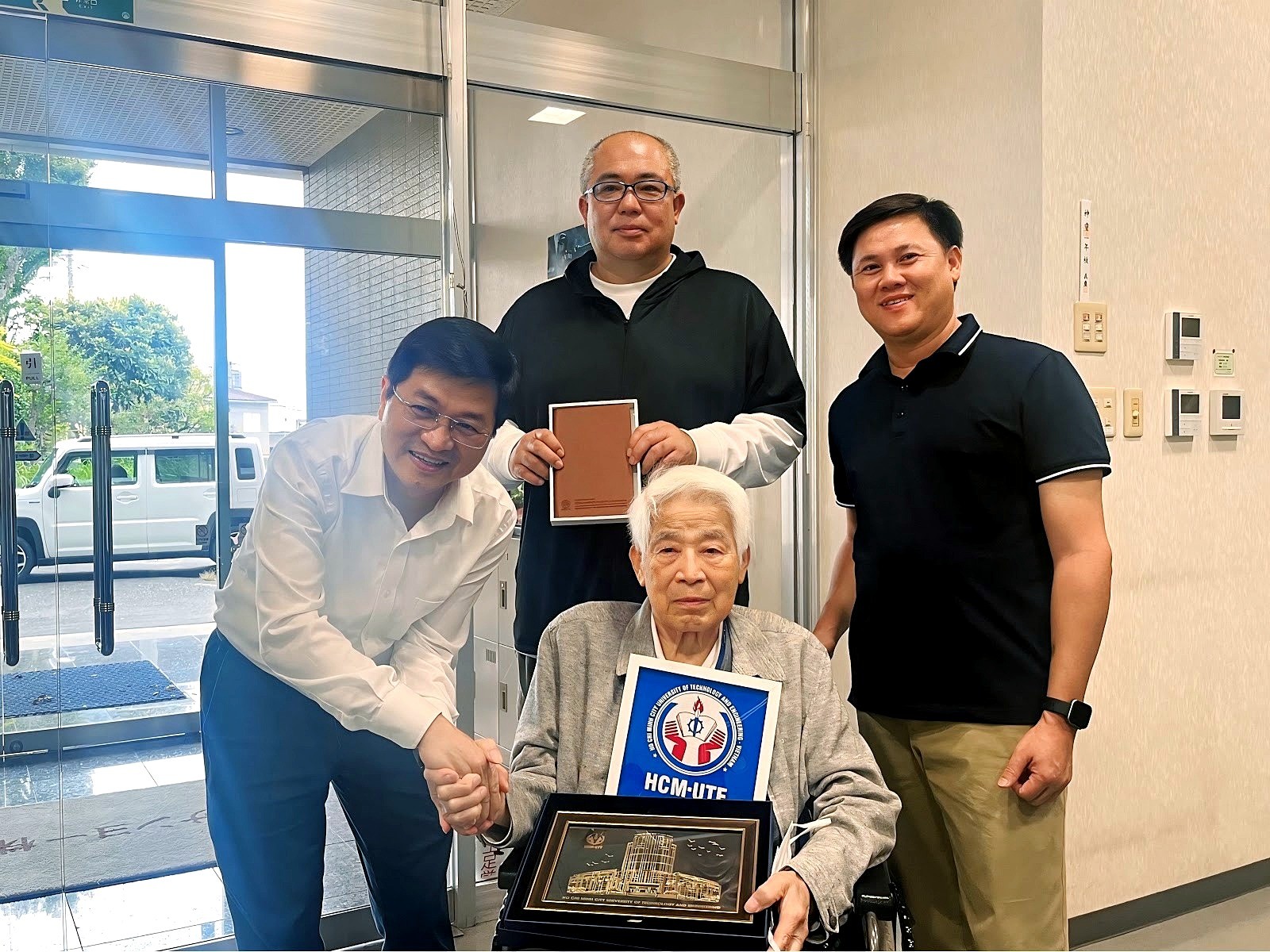
As part of a working visit to Japan from October 3 to 10, 2026, a delegation from Ho Chi Minh City University of Technology and Engineering (HCM-UTE, formerly Ho Chi Minh City University of Technology and Education), led by Assoc. Prof. Dr. Le Hieu Giang, Secretary of the Party Committee and President of the University, visited and held working sessions with Sanyo, a precision engineering company, and Yaskawa Electric Corporation, an industrial robot manufacturer with a history of more than 110 years.
The delegation also included Assoc. Prof. Dr. Vo Viet Cuong, Deputy Director of the Office of International Affairs, and Assoc. Prof. Dr. Pham Huy Tuan, Deputy Director of the Institute of International Education. Although they differ in size and field of operation, Sanyo and Yaskawa share a strong commitment to quality, perseverance and continuous improvement in manufacturing. These values also matter to the partnership between HCM-UTE and industry, which aims to link training with industrial practice and strengthen the professional capabilities of students.
The delegation’s activities at the 4th Vietnam–Japan University Presidents’ Conference are featured here.
Sanyo: Trust and Long-Standing Ties
About 15 years ago, when Sanyo began exploring investment opportunities in Vietnam, HCM-UTE supported the company in its early stages. In return, Sanyo has stood by the University since its first steps in expanding cooperation with Japanese companies. This mutual support, at a time when cooperation between the two countries still faced many gaps, laid the foundation for a lasting relationship between the two sides.
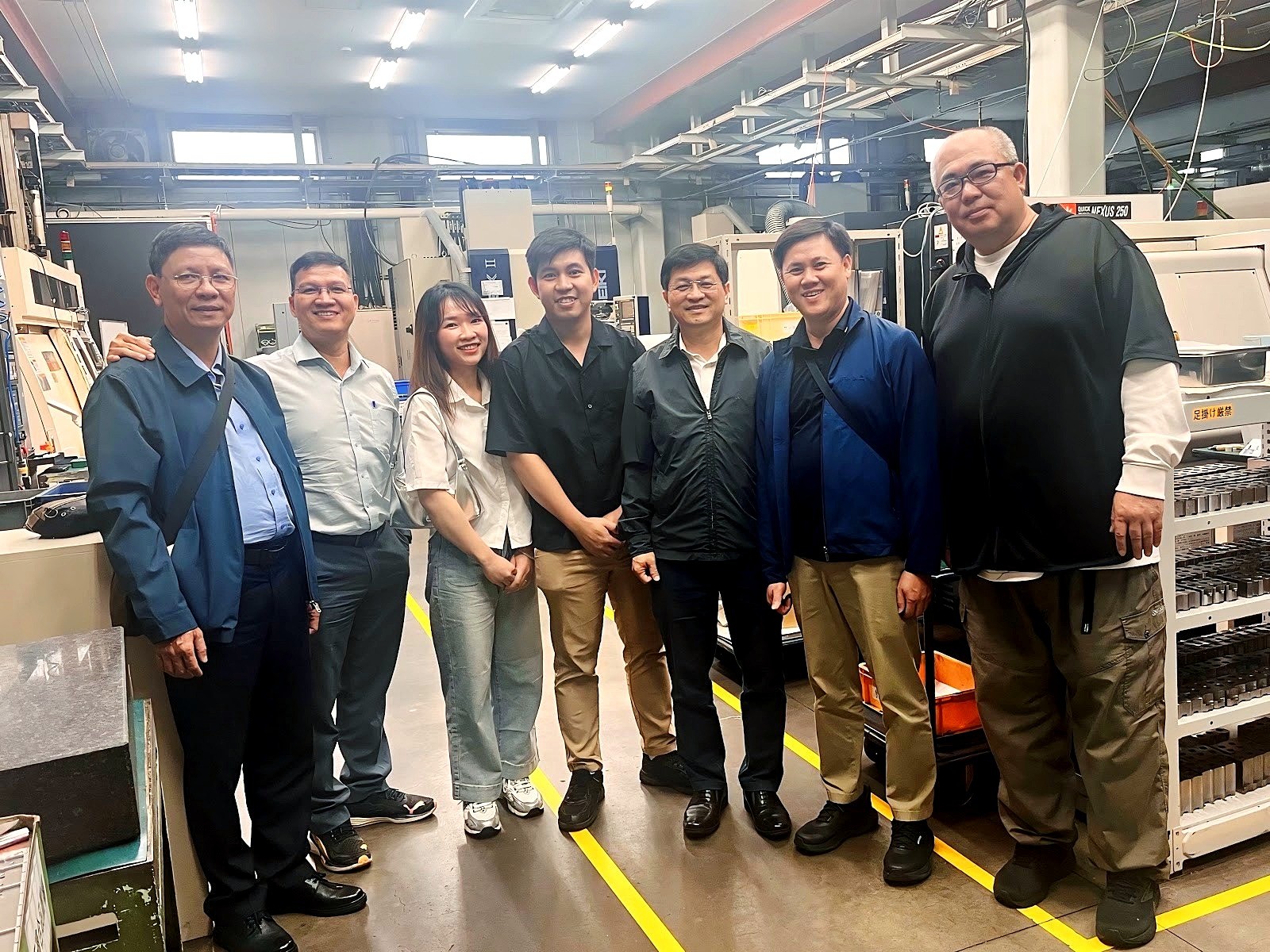
During this visit, the HCM-UTE delegation was warmly welcomed by the company’s owner as old friends. According to Assoc. Prof. Dr. Vo Viet Cuong, the reunion reflected a trait shared by Vietnamese and Japanese culture: valuing relationships and remembering past kindness. The owner also expressed pride that dozens of Vietnamese people now work at the company, many of whom hold key positions and have built long careers in Japan.
Inside the modest-looking factory, precision machining equipment is arranged neatly and kept clean, and most of the machinery has been replaced since about 15 years ago. Focusing on specific stages of the supply chain, Sanyo pursues a high level of precision and craftsmanship in every product. The meticulous approach to production, together with the owner’s simple way of life, reflects how the company has preserved its core values as it has grown.
Yaskawa: More Than a Century of Innovation Built on Engineering
Founded in April 1915 in Kurosaki, Kitakyushu, Yaskawa began with the aim of manufacturing electric motors in-house, at a time when the local coal mining industry relied heavily on imported motors and faced difficulties with maintenance and repairs. In 1917, the company delivered its first product, a three-phase induction motor, laying the foundation for a technological journey spanning more than a century.
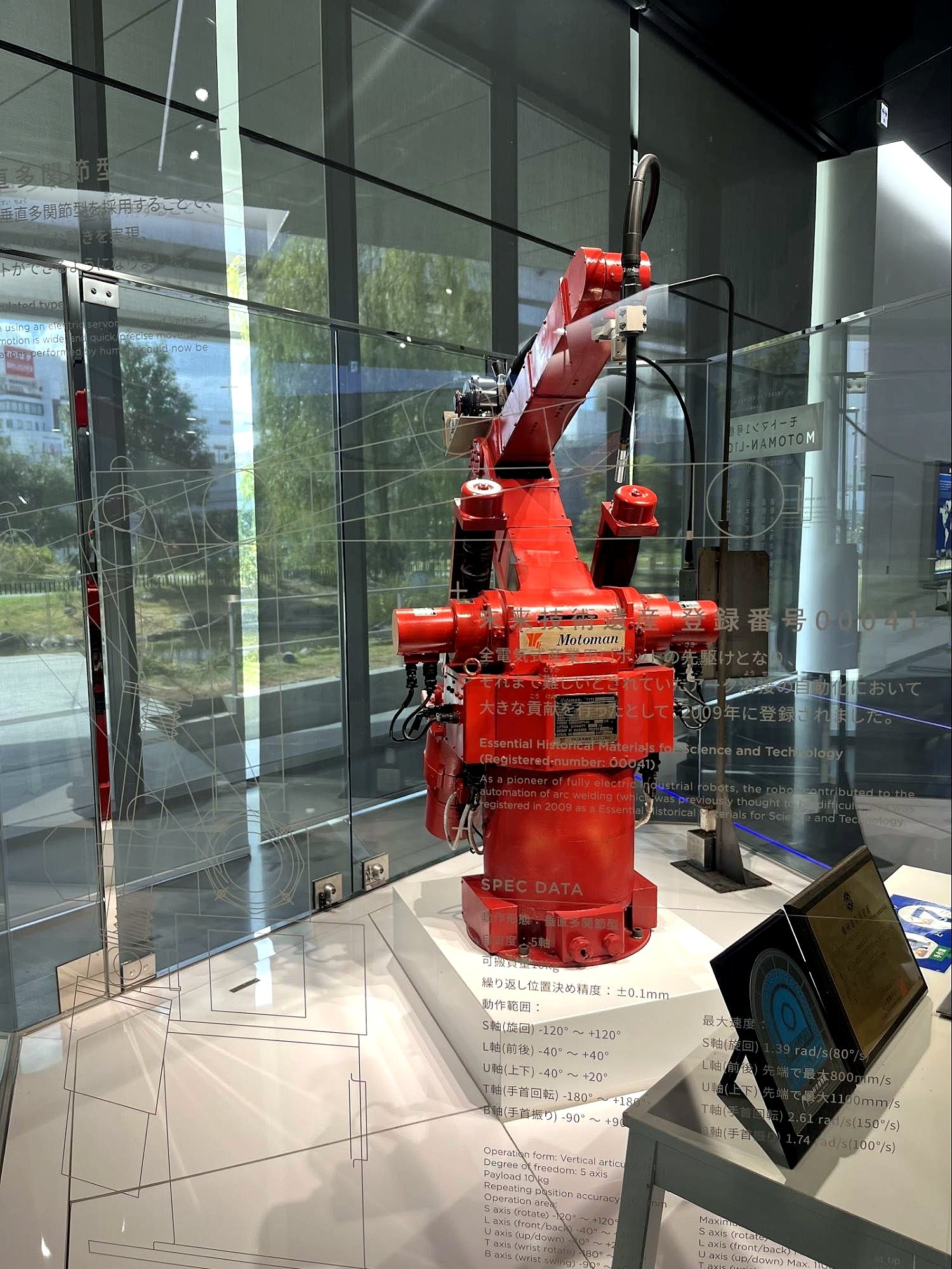
From electric motors, Yaskawa gradually expanded into inverters, servo motors and industrial robots. In 1977, it launched the MOTOMAN-L10, Japan’s first all-electric industrial robot, which has been recognized by the Japan Society of Mechanical Engineers as a Mechanical Engineering Heritage.
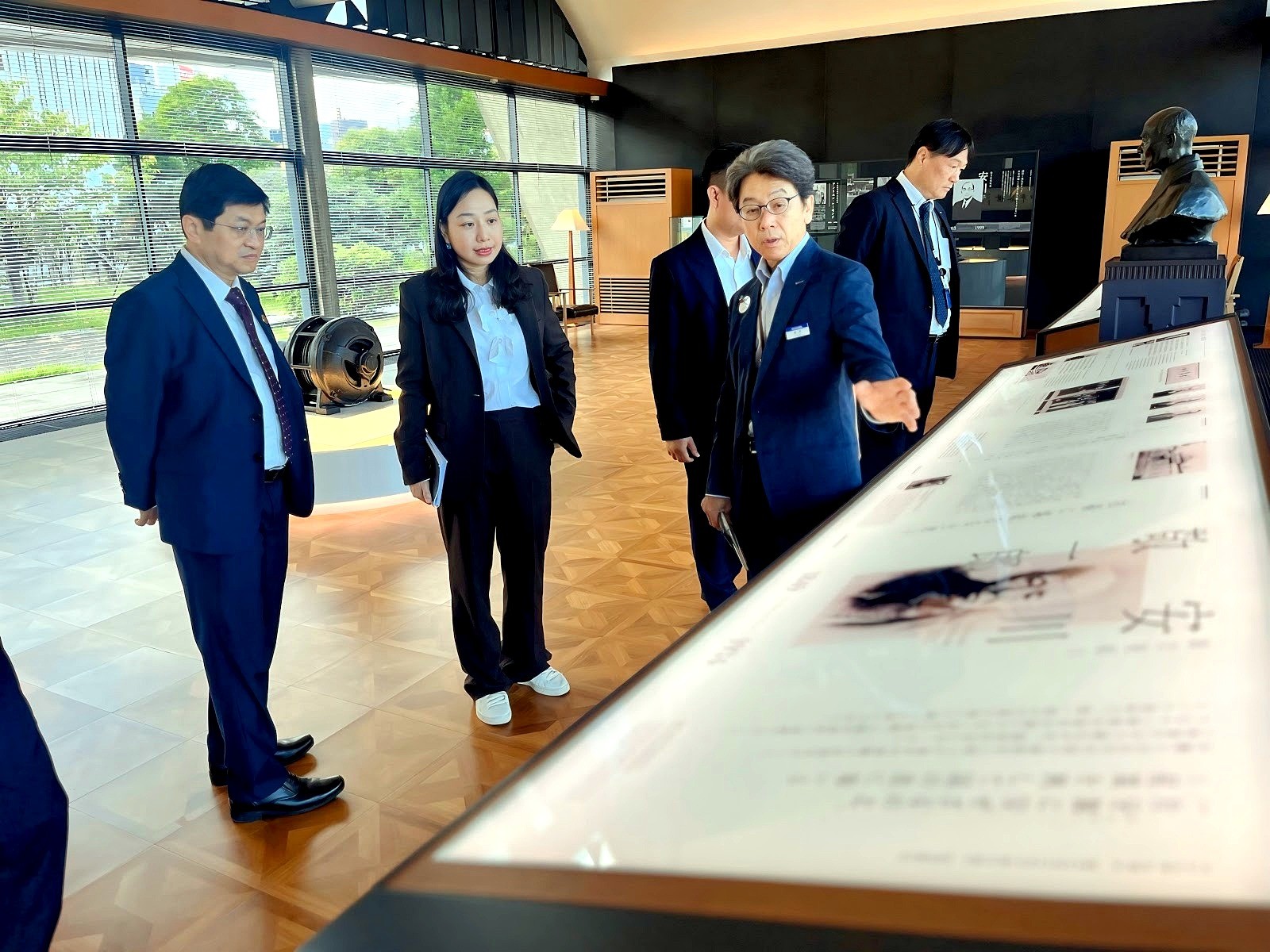
Touring the Yaskawa History Museum and the Innovation Center at Robot Village, the HCM-UTE delegation learned about the company’s technological development, from its earliest products to its industrial automation solutions. According to Assoc. Prof. Dr. Vo Viet Cuong, what stands out at Yaskawa is the combination of a long history and a spirit of continuous innovation: modest and understated on the outside, yet always focused on improving technology, upgrading facilities and turning ideas into concrete action.
Yaskawa and HCM-UTE: From Technology Cooperation to Hands-On Training
Cooperation between HCM-UTE and Yaskawa began in October 2022 with a project to sponsor a robotics laboratory for the Faculty of Electrical and Electronics Engineering. On January 24, 2024, the Yaskawa Mechatro Lab was officially inaugurated, giving students more opportunities to work with robotics and motion control technologies during their studies.
As of September 2026, the laboratory has been used 525 times by undergraduate students and 42 times by graduate students, and has supported graduation projects and training for company engineers. In addition, the Yaskawa Robotics and Motion Challenge (YRMC) 2026, co-organized by the two sides, attracted 26 teams with 68 students, giving participants the chance to apply their knowledge to real-world engineering problems.
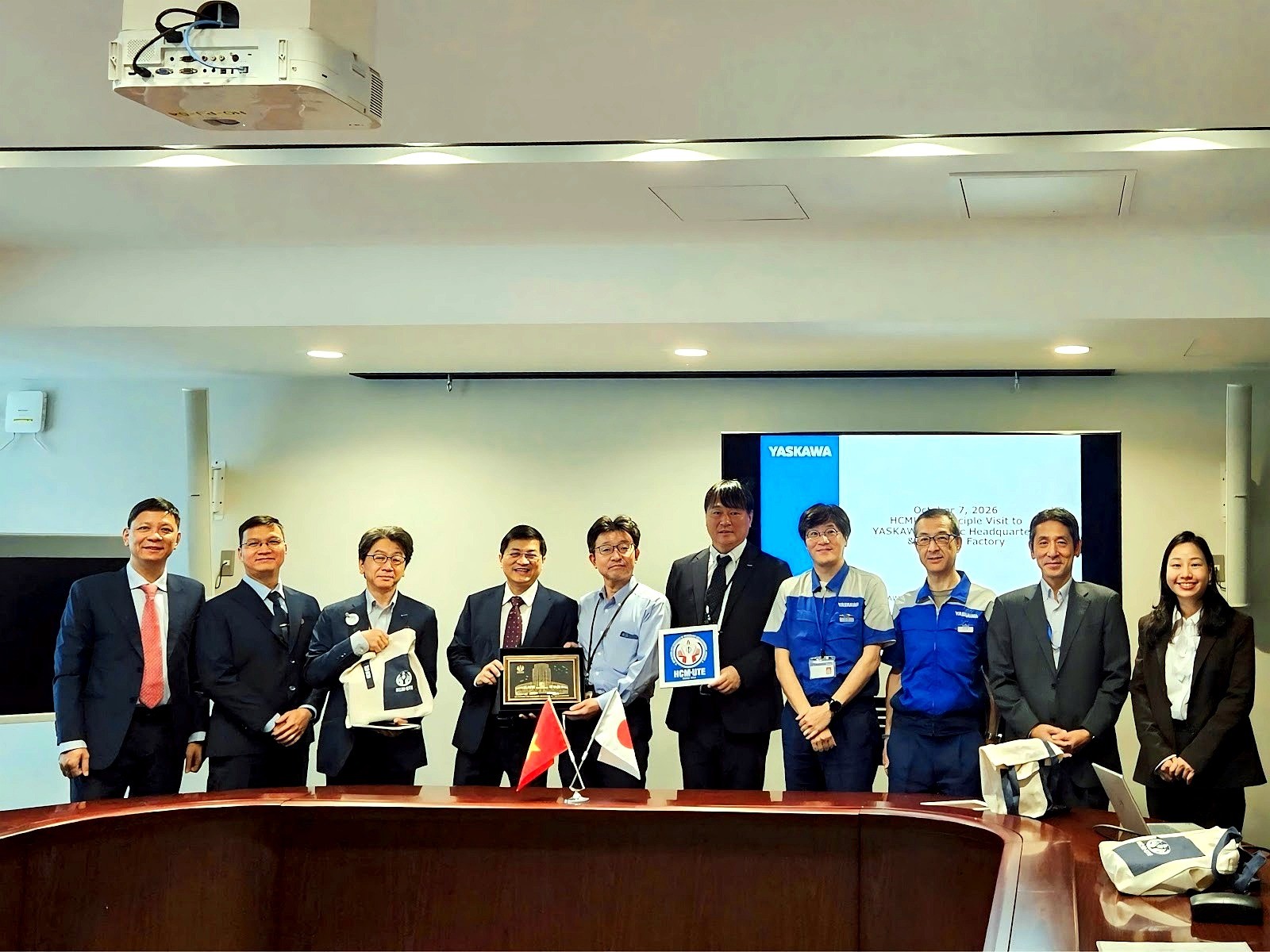
At the working session on October 7, 2026, HCM-UTE and Yaskawa reviewed and confirmed the agreed areas of cooperation and discussed the next steps. Under the plan, Yaskawa will sponsor three more SCARA robot sets integrated with MECHATROLINK motion control technology, with delivery expected in early April 2027.
In addition to equipment for training, HCM-UTE proposed expanding cooperation with Yaskawa to include scholarships, technology seminars, the recruitment of engineers to work at Yaskawa Vietnam and in Japan, the co-organization of YRMC 2027 and short-term training courses. These initiatives aim to better connect training programs with the practical needs of industry and to broaden students’ access to technology and career development opportunities.
Sustainable Partnerships Centered on Students
Reflecting on the visit, Assoc. Prof. Dr. Vo Viet Cuong said that building relationships with Japanese partners requires patience, sincerity and consistency. Japanese partners value meticulousness, a strong sense of responsibility and taking the time to get to know each other before committing to cooperation. These are also the factors that help HCM-UTE build trust and maintain long-term relationships with industry.
From a relationship with Sanyo nurtured over some 15 years to training and technology research programs with Yaskawa, the visit showed the variety of ways in which HCM-UTE connects with Japanese companies. For the University, the value of cooperation lies not only in maintaining partnerships or receiving technology, but also in bringing these resources into training, research and the professional development of its students.
Readers may also be interested in the article “HCM-UTE President Attends 4th Vietnam–Japan Presidents’ Conference”.
About the University’s Name Change: On December 26, 2025, the Prime Minister of Vietnam issued Decision No. 2809/QĐ-TTg, officially renaming Ho Chi Minh City University of Technology and Education to Ho Chi Minh City University of Technology and Engineering (HCM-UTE). The new name reflects the University’s multidisciplinary development strategy, its strengths in technology and engineering, and its current institutional stature. Before 2007, the University was Vietnam’s leading institution for technical teacher education. Following changes to the national higher education program classification system in 2007, the University expanded its focus to technology, engineering, and related disciplines. The name change aligns with Vietnam’s Higher Education Network Development Plan for 2021-2030 with a vision toward 2050, addresses the demand for high-quality human resources in the digital transformation era, and reaffirms HCM-UTE’s role as a national key university in technology and engineering. |
|---|
Text: PP – Photos: Office of International Affairs